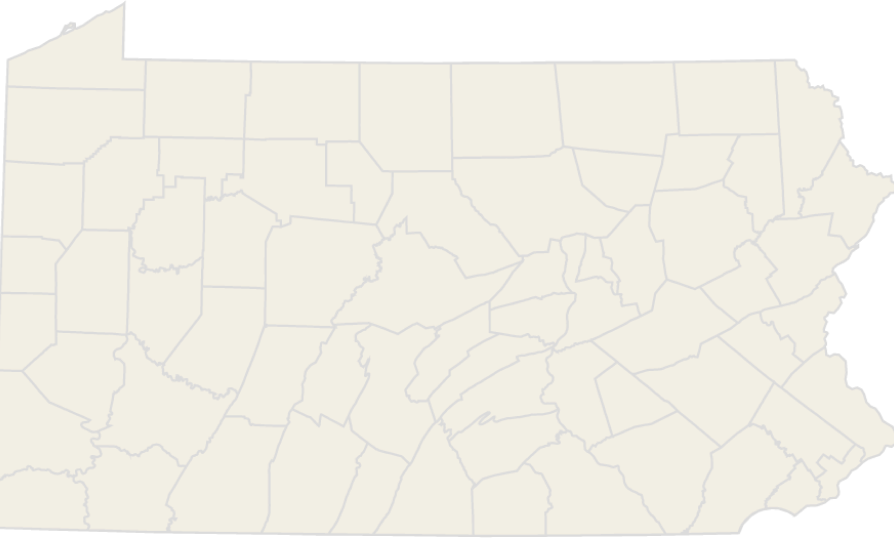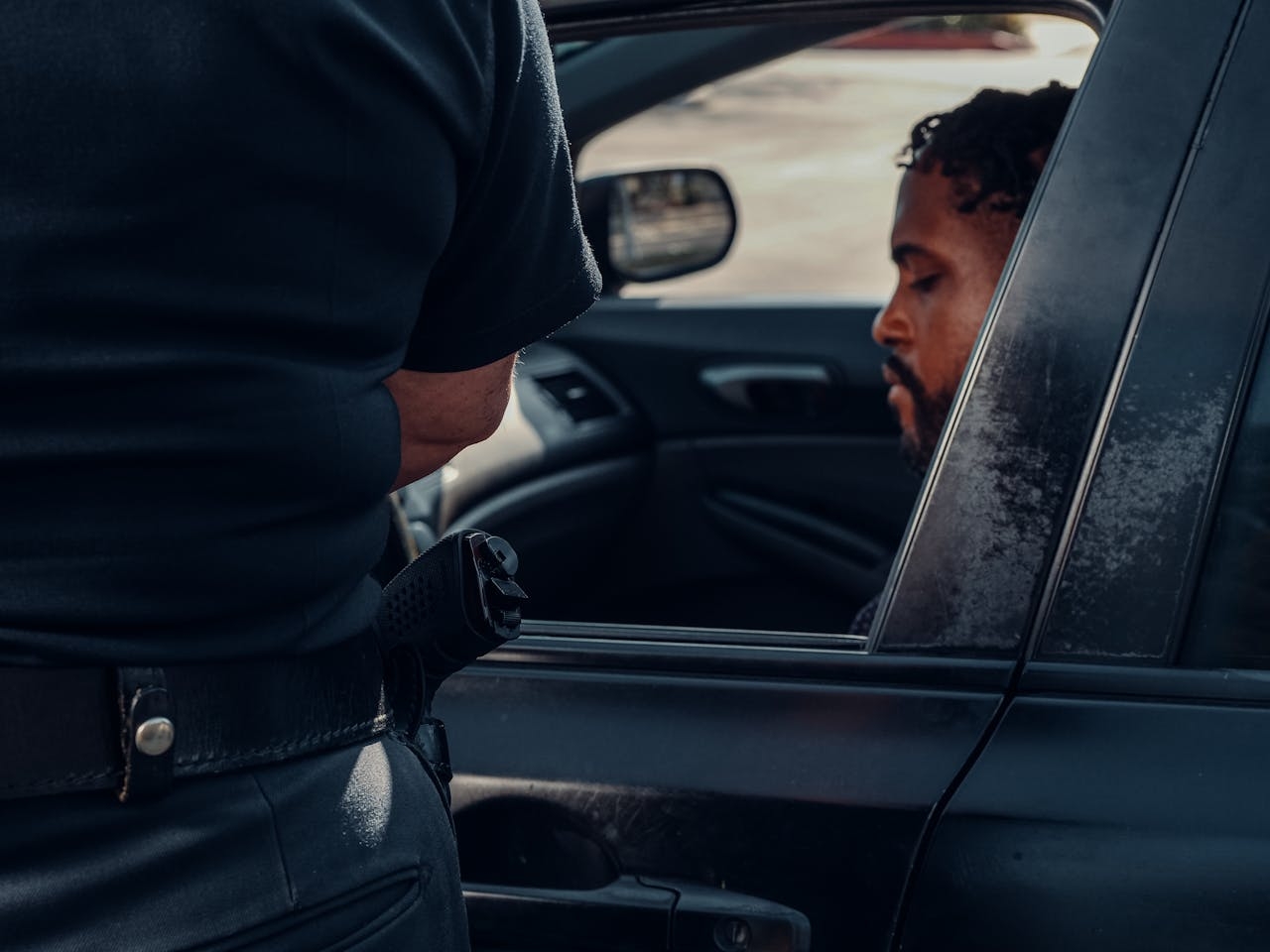
Driving into a DUI checkpoint can make anyone feel uneasy. You may be heading home from dinner, leaving a gathering, or driving through Media, Delaware County, or another Southeastern Pennsylvania community when traffic slows and officers begin directing vehicles through a checkpoint.
Even if you know you have not done anything wrong, the stop can quickly become stressful. You may be unsure what you have to answer, whether you can say no to a search, or whether an officer is allowed to look through your vehicle simply because you were stopped.
At The Law Offices of Joseph Lesniak, LLC, we understand how quickly a brief checkpoint encounter can turn into something more serious. This blog will break down when DUI checkpoints are allowed in Pennsylvania, when police need a separate legal basis to search your car, and what to do if you or your loved one was searched or arrested after a checkpoint stop.
Are DUI Checkpoints Legal in Pennsylvania?
DUI checkpoints are legal in Pennsylvania, but only when police follow constitutional requirements. Police can briefly stop vehicles at a properly conducted checkpoint to look for signs of impaired driving. Even so, the checkpoint must be planned and operated in a systematic way. Officers cannot make arbitrary decisions about which drivers to stop based on a hunch, appearance, or vehicle type.
A lawful checkpoint generally involves supervisory planning, a neutral stopping pattern, visible signs of police authority, and a brief, limited interaction with each driver. The checkpoint stop itself should not involve a physical search of the vehicle. Officers cannot use a checkpoint as a free pass to stop, question, detain, or search drivers however they choose.
Pennsylvania law treats DUI as a serious offense. For many adult alcohol-related DUI cases, a BAC of 0.08% or higher can support a DUI charge, but Pennsylvania law also allows DUI charges based on impairment, controlled substances, prior offenses, driver status, and the facts of the stop. Pennsylvania law recognizes Pennsylvania’s different DUI categories, including general impairment, high BAC, highest BAC, and controlled-substance DUI.
That said, being stopped at a DUI checkpoint is not the same as giving police permission to search your car.
Can Police Search Your Car Just Because You Are at a DUI Checkpoint?
Not automatically. A checkpoint stop alone does not give officers the authority to open your doors, search your glove compartment, look through bags, inspect your trunk, or go through your belongings.
Police need a separate legal basis before they can search your vehicle. In a checkpoint case, that issue often comes down to what the officer saw, heard, smelled, or asked you to agree to during the stop. Police may later claim that you consented, that something illegal was in plain view, that they had probable cause plus exigent circumstances, or that the vehicle was lawfully impounded and searched under valid inventory procedures. In plain terms, exigent circumstances usually means there was some urgent reason officers believed they could not wait to get a warrant.
If the search was connected to an arrest, the details still matter. An arrest does not give police unlimited authority to search every part of a vehicle. If officers searched your vehicle after a checkpoint stop, our firm can review what they claimed justified the search and whether there may be a basis to challenge the evidence found as a result.
What Facts Can Lead Police to Investigate Further?
At a DUI checkpoint, police are looking for specific observations that they believe justify extending the encounter beyond the brief checkpoint stop. Nervousness alone should not be enough to justify a full vehicle search. The legal standard depends on what the officer does next. Extending the stop for a DUI investigation can involve reasonable suspicion based on specific facts, while searching the vehicle generally requires a separate legal basis, such as consent, plain view, a valid inventory search, or probable cause plus exigent circumstances.
Facts that can lead officers to investigate further include:
- The odor of alcohol, marijuana, or suspected drugs, especially when combined with other observations suggesting impairment or illegal activity
- Open containers visible inside the car
- Drugs, paraphernalia, weapons, or other contraband in plain view
- Statements made by the driver or passengers
- Signs of impairment combined with other evidence
- Items visible on the seat, floor, console, or dashboard that suggest illegal activity
An officer can look through your windows from outside the vehicle. If something illegal is clearly visible from a lawful position, police may rely on that observation to justify further investigation. Even then, plain view does not automatically make every part of the vehicle searchable. What officers can do next depends on what they saw, where it was located, and whether the law supports the next step they take.
For example, seeing an open container can support further investigation. Saying that a driver “looks nervous” should not, by itself, justify a full vehicle search.
Do You Have to Consent to a Vehicle Search?
No. If an officer asks, “Do you mind if I take a look inside?” or “Can I search your car?” you have the right to say no.
You should remain calm and respectful. You do not need to argue, explain yourself, or interfere physically. A clear statement is enough:
“Officer, I do not consent to a search.”
If you voluntarily consent, police can rely on that consent as a basis to search within the scope of the permission you gave. Consent can make the search harder to challenge later because police will argue that you gave them permission. If officers search anyway after you refuse consent, do not resist on the roadside. The place to challenge an unlawful search is in court, not during the encounter.
Does a DUI Arrest Give Police the Right to Search Your Car?
A DUI arrest can create additional search issues, but it does not give police unlimited authority to search every part of your vehicle.
Depending on the circumstances, officers may point to safety concerns, evidence-related concerns, or an inventory search if the vehicle was lawfully towed or impounded. An inventory search is supposed to document property in the vehicle under department procedures. It should not be used as an excuse to search for evidence without proper justification.
The details are important. We look at where you were when the search happened, whether you were already handcuffed, whether the vehicle was actually being impounded, what officers claimed to observe, and whether they followed proper procedures.
What if Police Find Drugs, Open Containers, or Other Evidence?
Sometimes, a vehicle search after a DUI checkpoint leads to additional allegations. Police might report finding drugs, prescription medication, an open container, a firearm, or other evidence unrelated to the original checkpoint stop.
When that happens, the legality of the search becomes critical. If evidence was discovered through an unlawful search, a defense attorney can review whether there may be a basis to file a motion to suppress. If the court grants that motion, the prosecution may be prevented from using that evidence against you.
A suppression issue can affect the strength of the entire case, especially when the challenged evidence plays a central role in the prosecution’s allegations. That is why it is important to speak with a Pennsylvania criminal defense attorney as soon as possible after a checkpoint arrest or vehicle search.
Is Refusing a Car Search the Same as Refusing a Breath or Blood Test?
No. These are different legal issues.
You generally have the right to refuse consent to a vehicle search. Chemical testing is different. Under Pennsylvania’s implied consent law, a person who drives, operates, or is in actual physical control of a vehicle in Pennsylvania is deemed to have consented to chemical testing of breath or blood if an officer has reasonable grounds to believe the person violated Pennsylvania’s DUI law. Refusing requested chemical testing after a DUI arrest can lead to separate license consequences and may affect how the DUI case is handled.
This is one reason DUI checkpoint cases become complicated quickly. Your rights during questioning, vehicle searches, field sobriety testing, preliminary roadside screening, and post-arrest chemical testing are related, but they are not identical.
What Should You Do at a Pennsylvania DUI Checkpoint?
If you are stopped at a checkpoint, stay calm and keep the encounter as simple as possible. Keep your hands visible, avoid sudden movements, and provide your license, registration, and insurance information when requested.
You do not need to volunteer extra information beyond what is required. If an officer asks where you were, whether you were drinking, or how much you had to drink, remember that your answers can be used against you.
If police ask to search your car, you can clearly say that you do not consent. If officers continue anyway, do not physically resist. Instead, try to remember what happened and contact a DUI defense lawyer as soon as possible.
Helpful details include:
- Where the checkpoint was located
- Whether signs or police vehicles were visible
- How vehicles were selected for stopping
- What the officer asked you
- Whether you were asked for consent to search
- What areas of the vehicle were searched
- Whether anything was seized
- Whether you were arrested or your vehicle was towed
These facts can help us determine whether there may be grounds to challenge the stop, detention, arrest, or search.
Talk to a Media DUI Defense Lawyer After a Checkpoint Search
If police searched your car at a DUI checkpoint in Media, Delaware County, or elsewhere in Southeastern Pennsylvania, do not assume the search was legal. There may be defenses or suppression issues that are not obvious from the citation, criminal complaint, or police report.
At The Law Offices of Joseph Lesniak, LLC, we help people protect their rights after DUI arrests, checkpoint stops, and questionable vehicle searches. We review the stop, the officer’s stated reasons for the search, the evidence police claim to have found, and whether there are legal grounds to challenge the search or suppress evidence.
If you or your loved one was stopped or searched at a DUI checkpoint, contact us today. We are ready to listen, review what happened, and help you understand your next steps.
Disclaimer: This blog is for informational purposes only and does not provide legal advice. Reading this article does not create an attorney-client relationship. Every case is different, and you should speak with a qualified Pennsylvania criminal defense attorney about your specific circumstances.